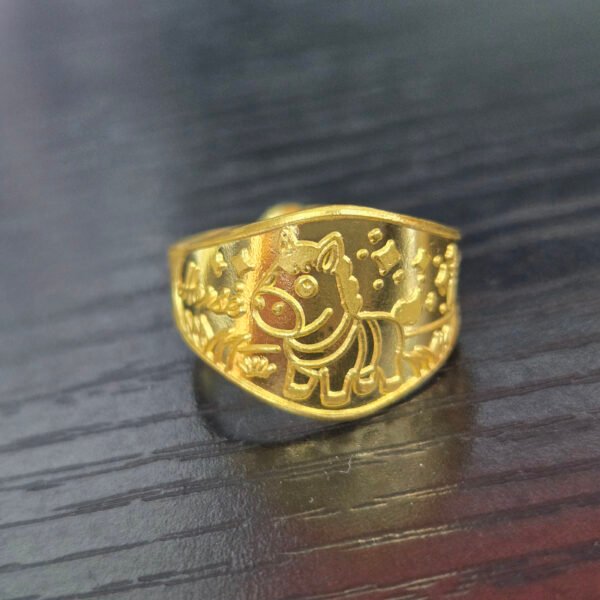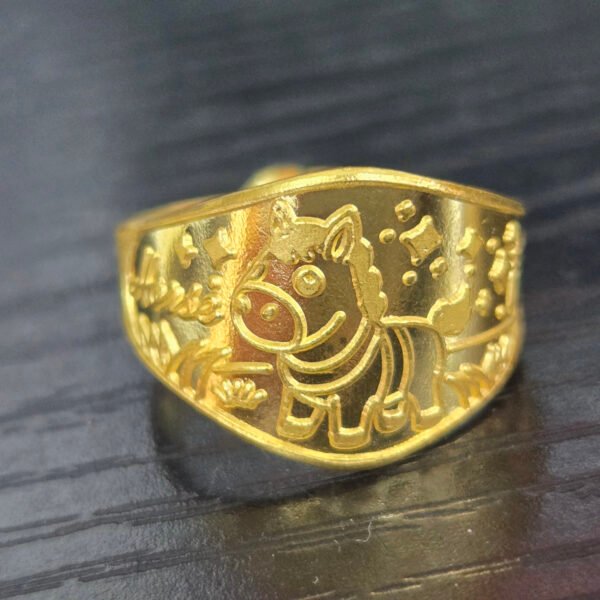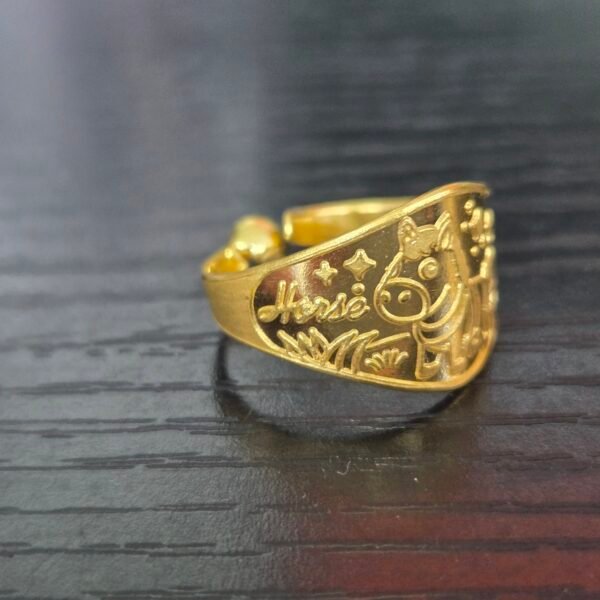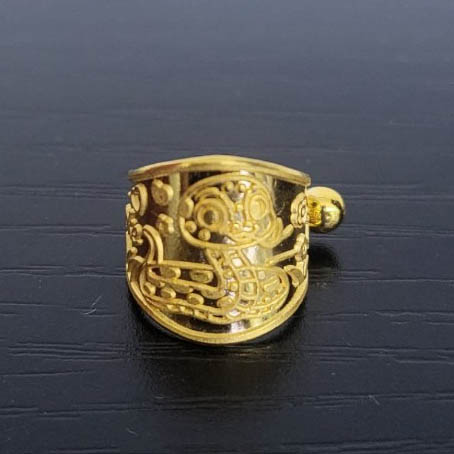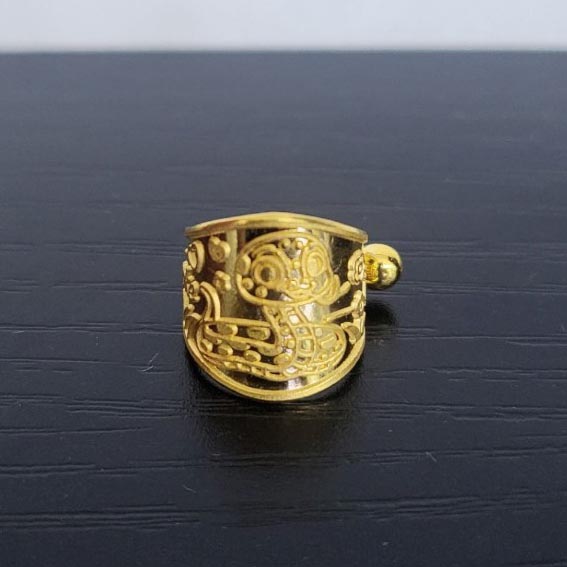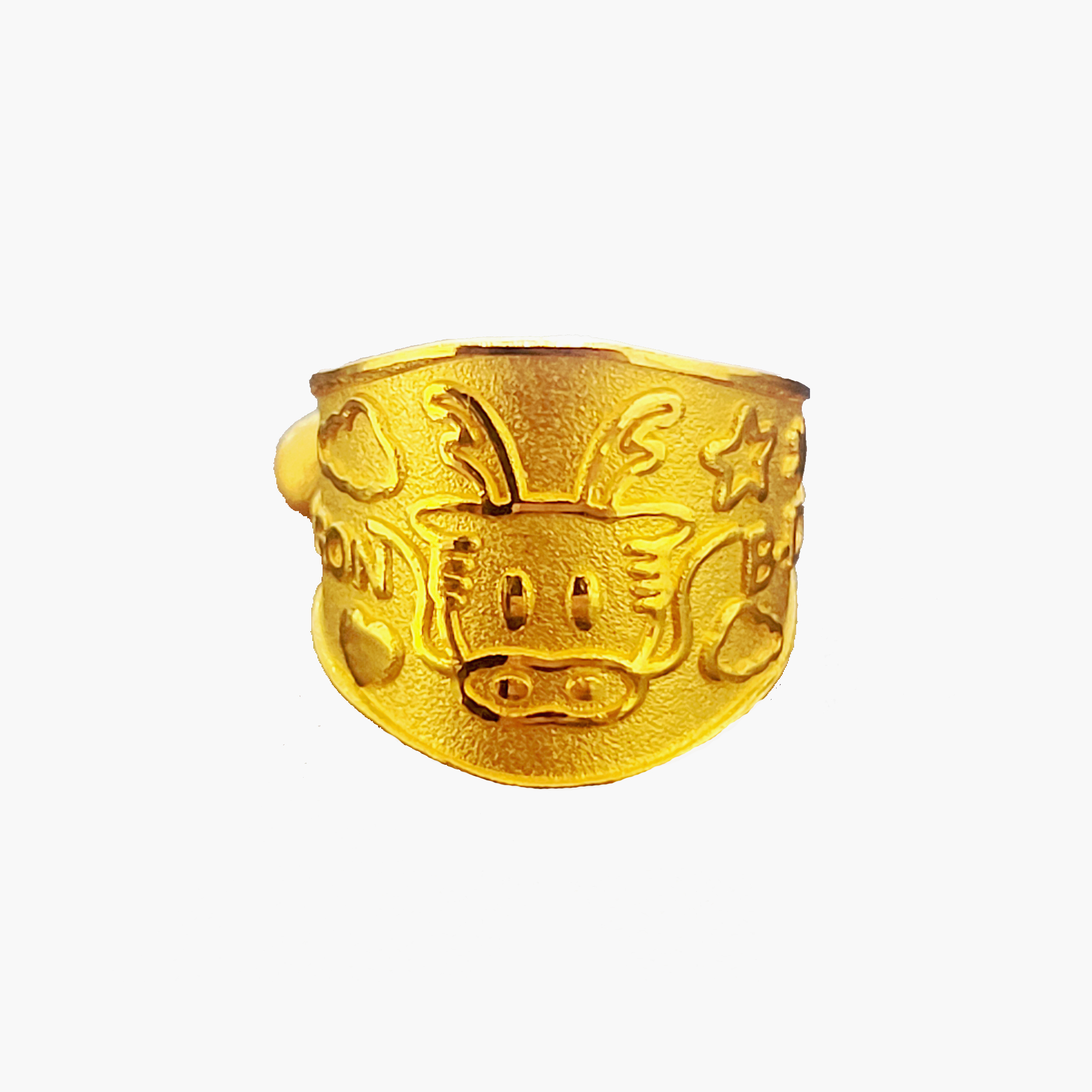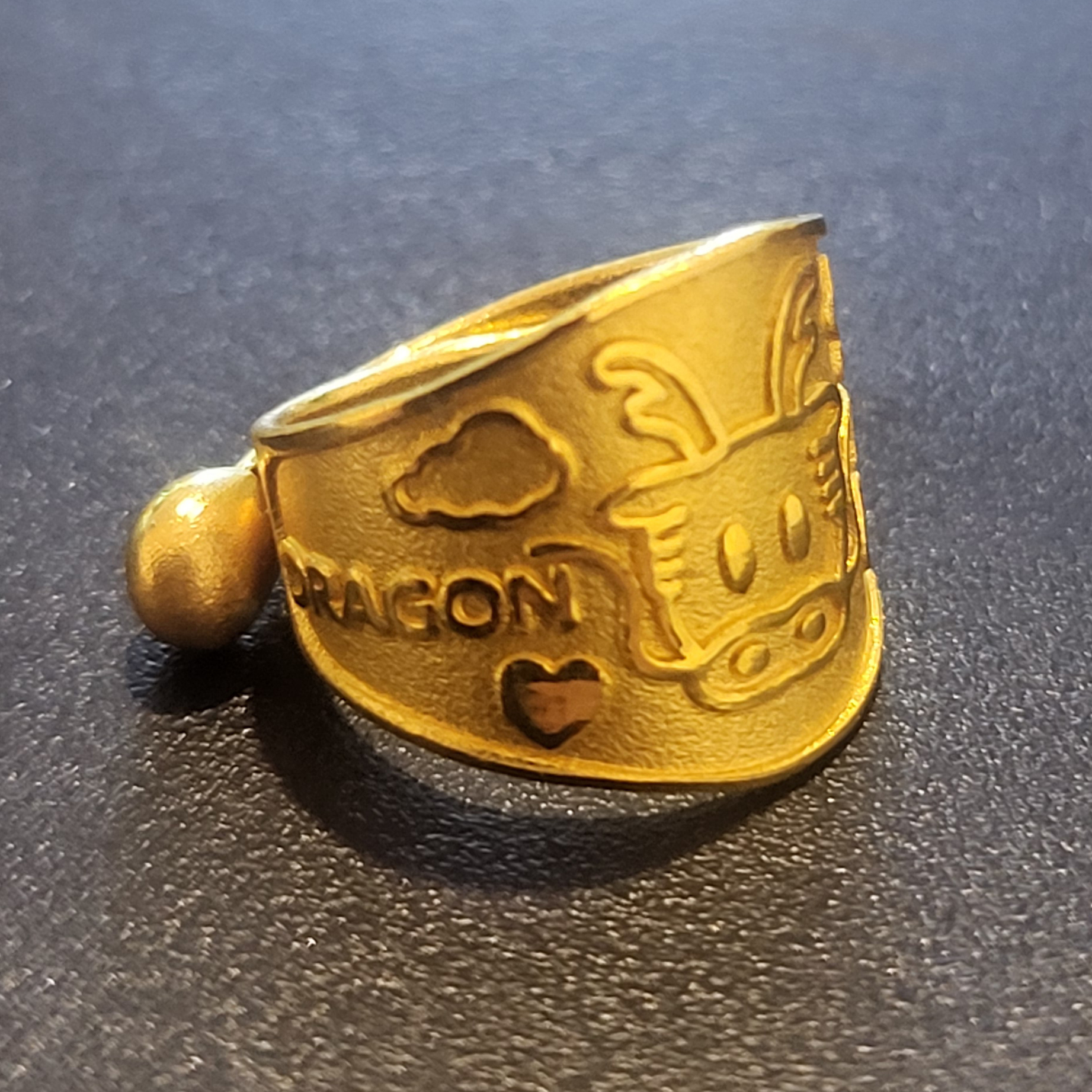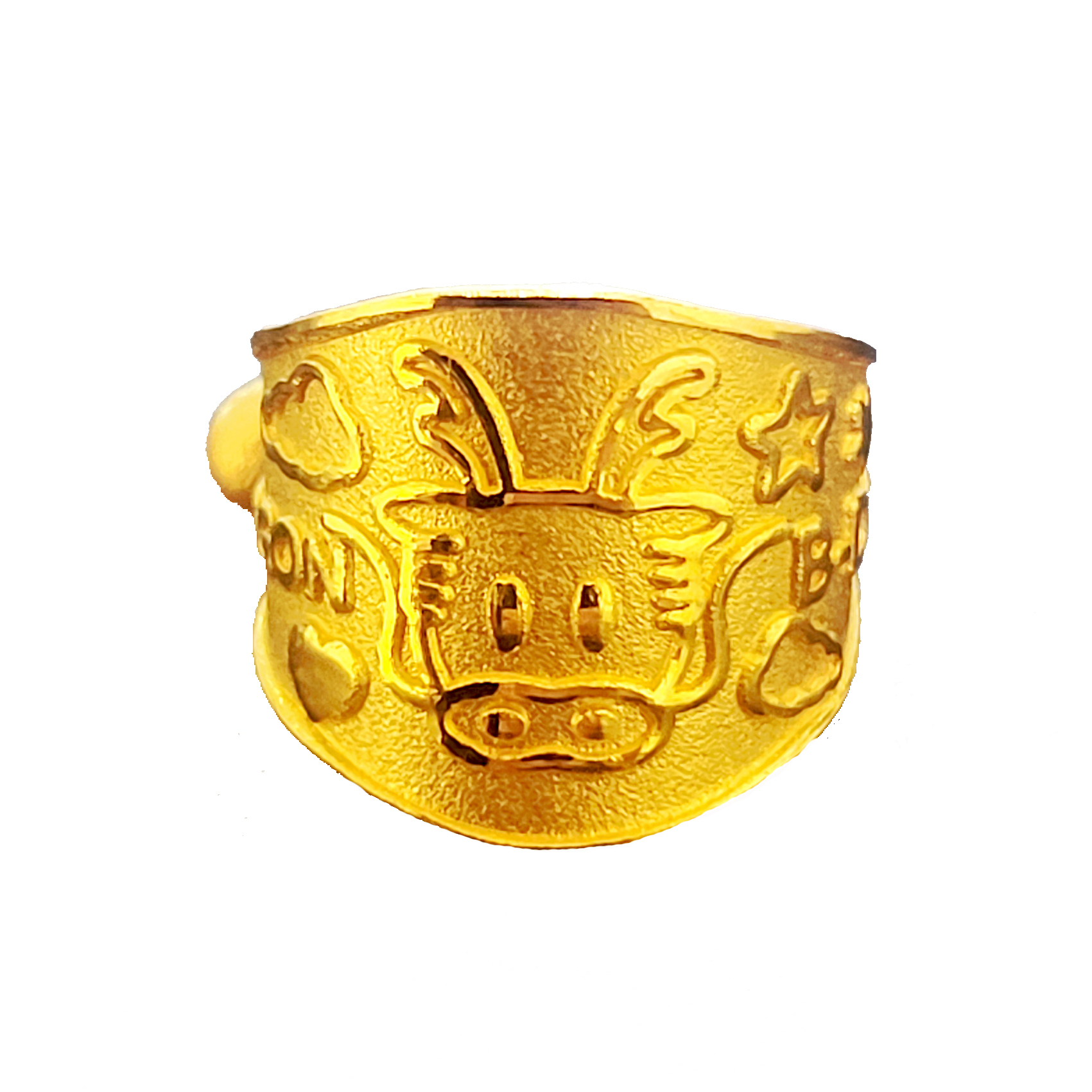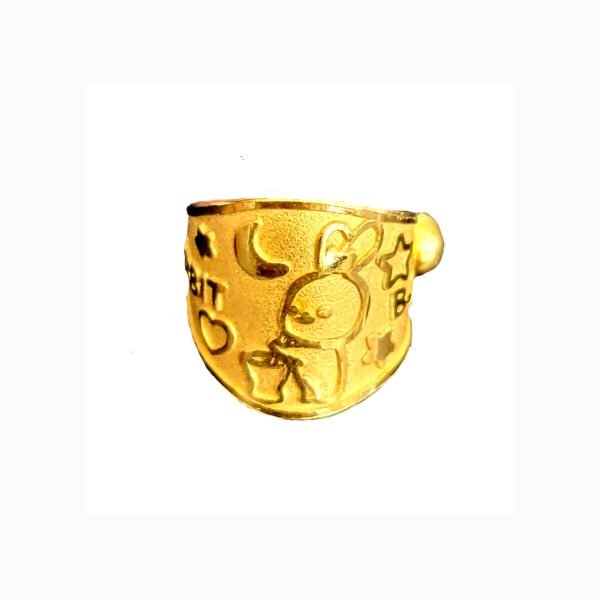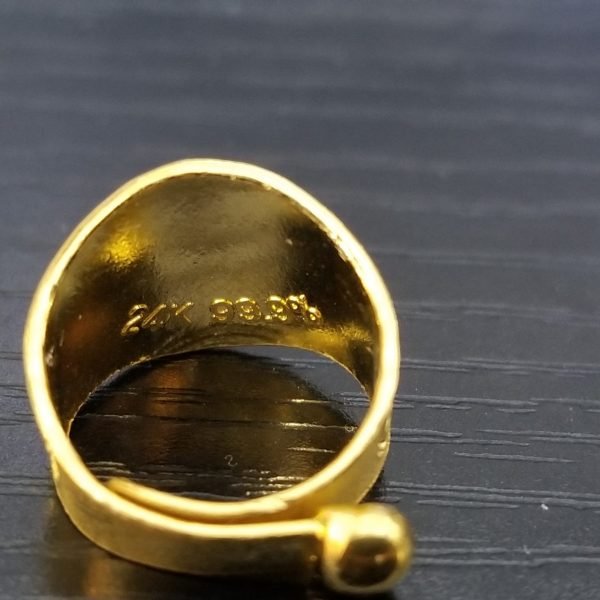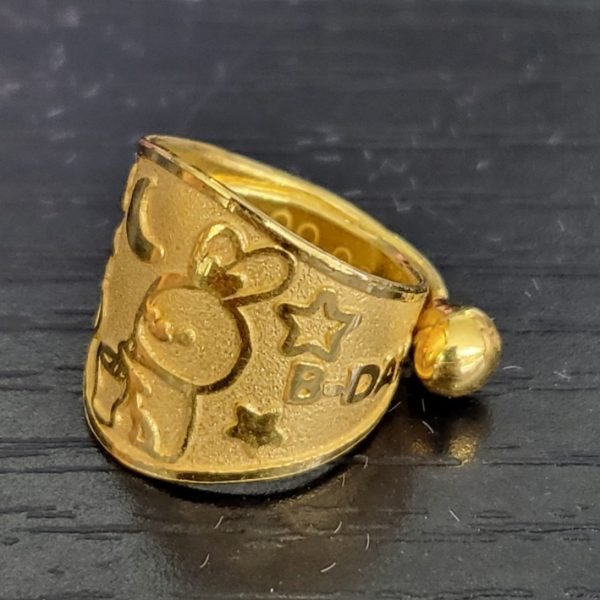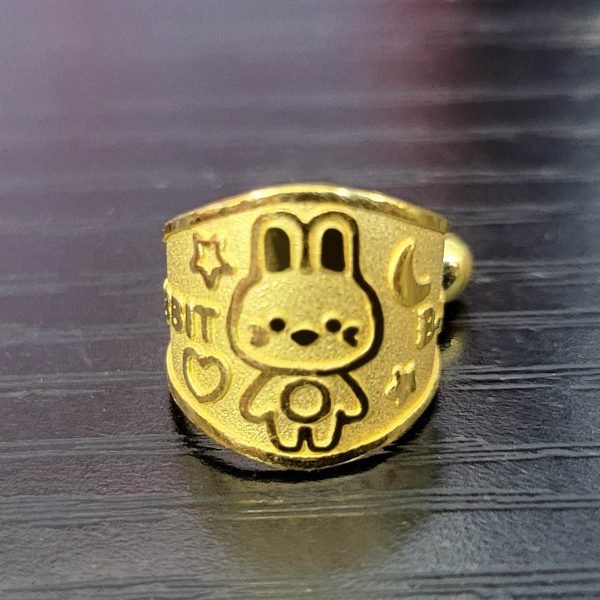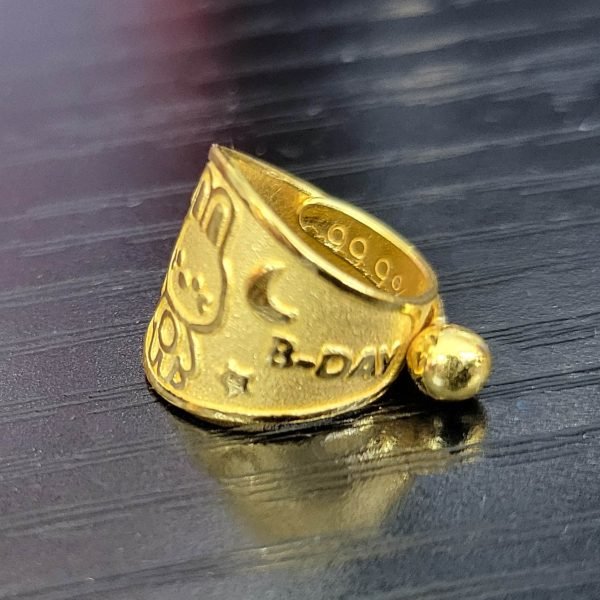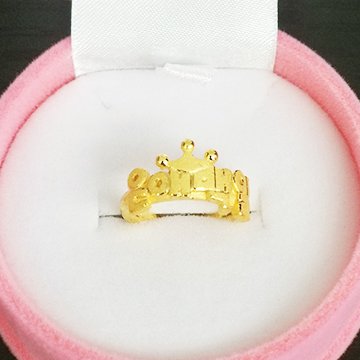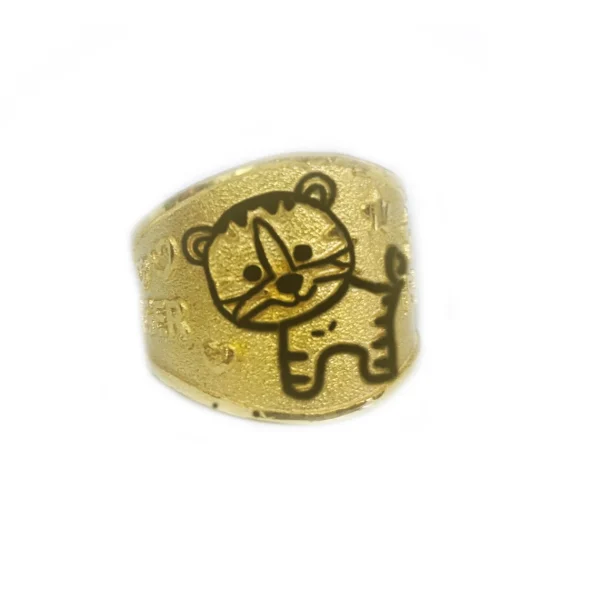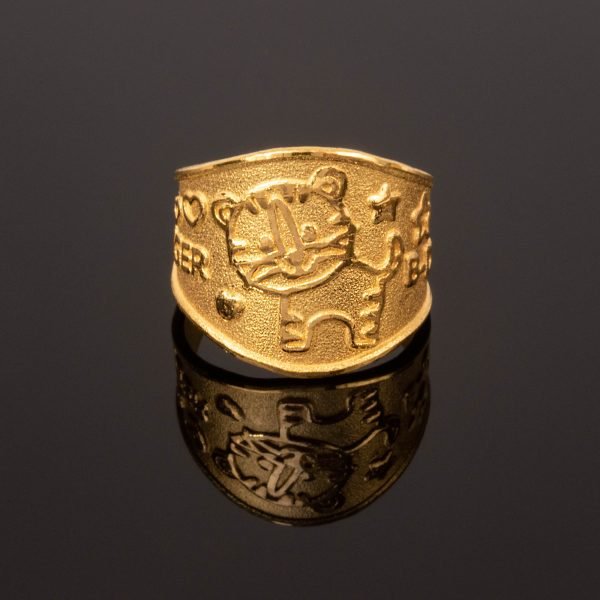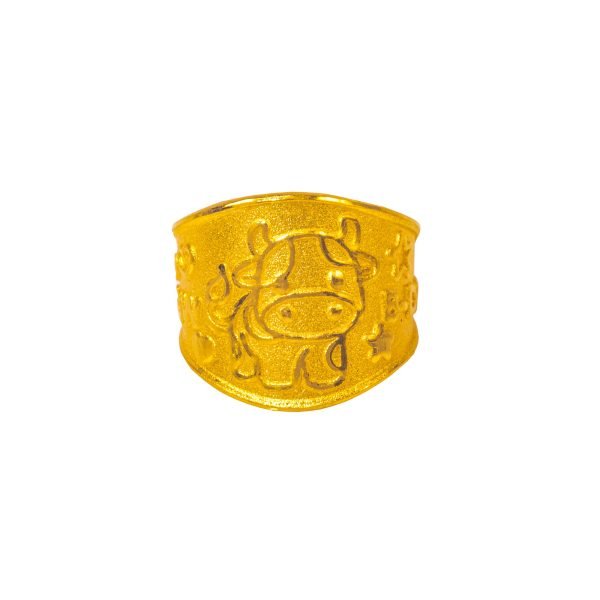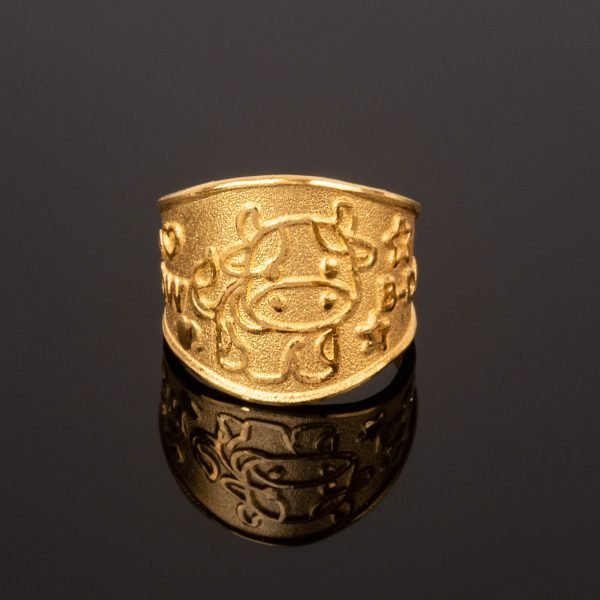
First Birthday Rings
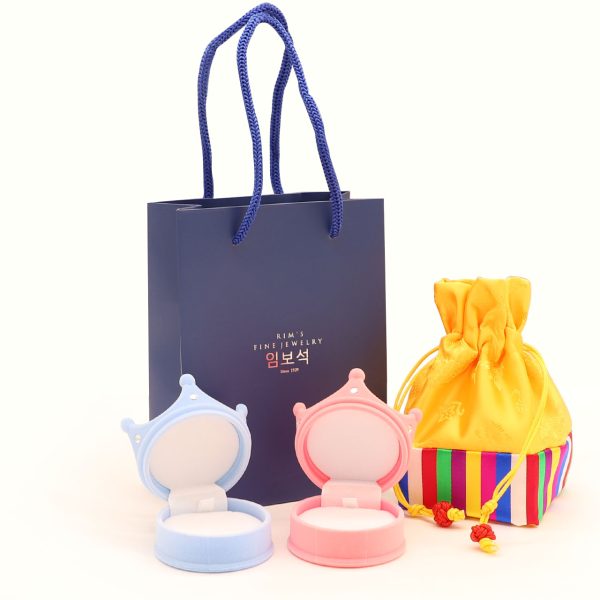
Im Bo-seok Dolbanggil
The Ring of Fire was first created by Im Bo-seok at 47 Bowery Street in Manhattan, New York in 1985.
Im Bo-seok is a factory-owned jewelry company that has been operating for the third generation. He has been a vendor for major American financial institutions (Citibank, JPMorgan Chase, MetLife) for over ten years, building trust as a Korean-American jewelry company in the United States.
Customer Service
(718) 463-3313
The Origin and Meaning of the 24K Pure Gold First Birthday Ring
In order for the newborn to grow and develop, the vital energy of the liver, gall bladder, and stomach and pancreas—the earth—is weakened, causing digestive difficulties. Therefore, it is believed that by possessing the metal (金) that controls wood (木), they are able to restore the vital energy of the lungs and large intestine, thereby ensuring proper digestion and healthy growth.
Therefore, the unique tradition of gifting one's first-born son with beef and gold symbolizing health was born.
This is a traditional custom that has been passed down from generation to generation, and we would like to invite your loved ones—family and friends—to present your baby with a collection of 1-carat 24k diamond rings in various designs for their first birthday, to wish them good health.
Nowadays, the trend of gifting jade is also becoming popular; instead of a jade ring, people often give gold spoons as a gift.
The tide of public opinion regarding gold spoons combined with the traditional and cultural practice of gifting a baby with a gold spoon, and the 24K pure gold gold spoon are also popular.
The trend of having a gold spoon is changing, and it is taking its place as a gift item replacing the traditional ring, wishing for the prosperity of precious children who have been chosen like a gold spoon.
You can also purchase the gold spoon for your first birthday gift at Imboosek.
Pure GoldWhy it is called 24k
The unit for indicating the purity of gold is carat, not the percentage (%) that we are familiar with. Therefore, Pure GoldWhen indicating 24K, it is represented as 24K; gold containing impurities is indicated as 18K and 14K. Since we are used to using gold in units, there is no big problem with that; but you might wonder why they used the number 24. If it were represented as 100, it would be easier to calculate; why did they use 24 instead?
Carat is said to have originated from the ‘carob’ plant, which is a type of plant native to the Middle East. The carob is a tree fruit belonging to the legume family of the genus Serotonia, and the weight of one pod is 1.25g. The people of this region said that they exchanged items such as gold or salt based on the weight of a single pod; therefore, the carob became the standard for weighing, and a single pod is usually held in the hand of an adult, with 24 being the maximum number of pods. It is said that this is where the term ‘24K’ for the purest gold of 99.99% purity originated.
18K has a purity of 18/24, meaning that 75% is gold, and the remaining 25% is other metals such as silver or copper.
You can think of 14K as having 58.5% gold content.
Pure gold marked with 24K means permanence
Ordinary metals lose electrons in nature and easily rust, but in the case of gold, since all the electrons in the outermost electron shell of the atom are filled, the structure is stable, and because electrons are difficult to lose, there is a need for a lot of energy to cause a material to change.
Furthermore, the fact that gold is permanent and unchanging also means that it is far from being corroded. Gold, which has an atomic number of 79, is a divalent metal; however, it can also transition into an anion; however, in simple acids such as sulfuric or nitric acid, it does not dissolve, and only in special compounds such as aqua regia can it dissolve.
Because of this, the gold-made artifacts excavated from the tombs of ancient kingdoms remain in their original form even after a long period of time.
The Yellow Color of Gold Signifies Nobility Like Light
The element symbol Au in Greek comes from the word for light in Hebrew (aus), and the English word gold (jvolita) also comes from the Sanskrit word for light (jvolita), meaning gold is noble like light.